Watamu presents itself well on its own: the bay, the sand, water of a colour that looks retouched in photographs. If you stop there you have still had a good holiday. But within half an hour of here there are at least four completely different environments, and most people leave again without knowing they existed.
Four things that are a step away
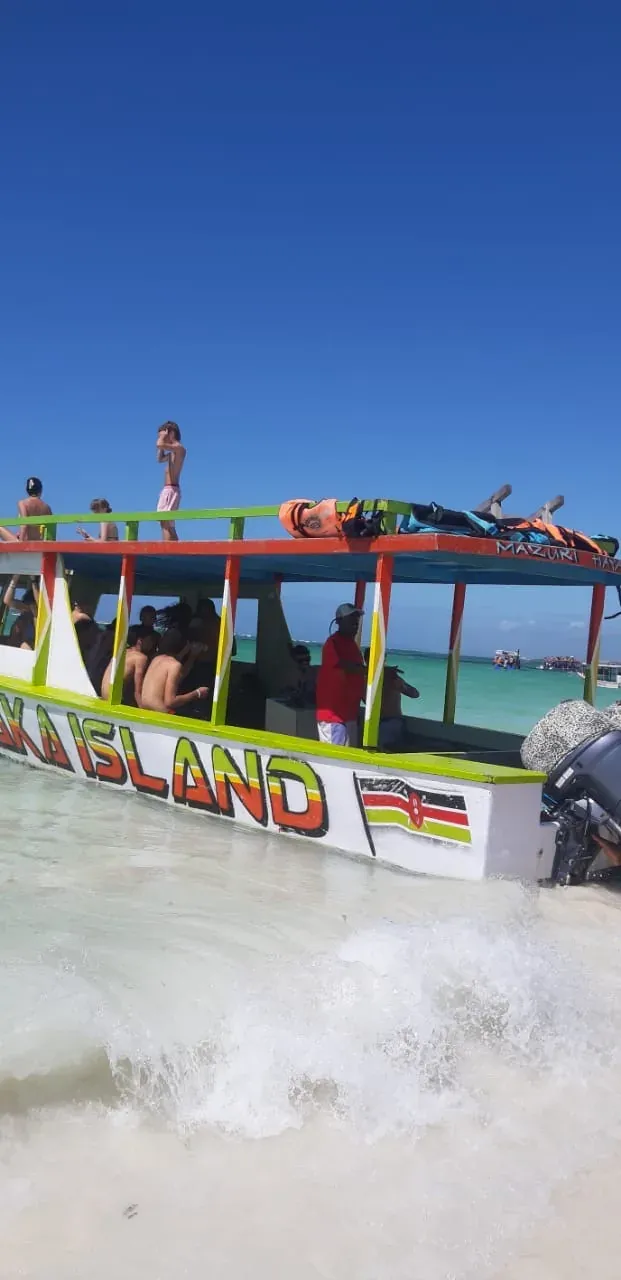
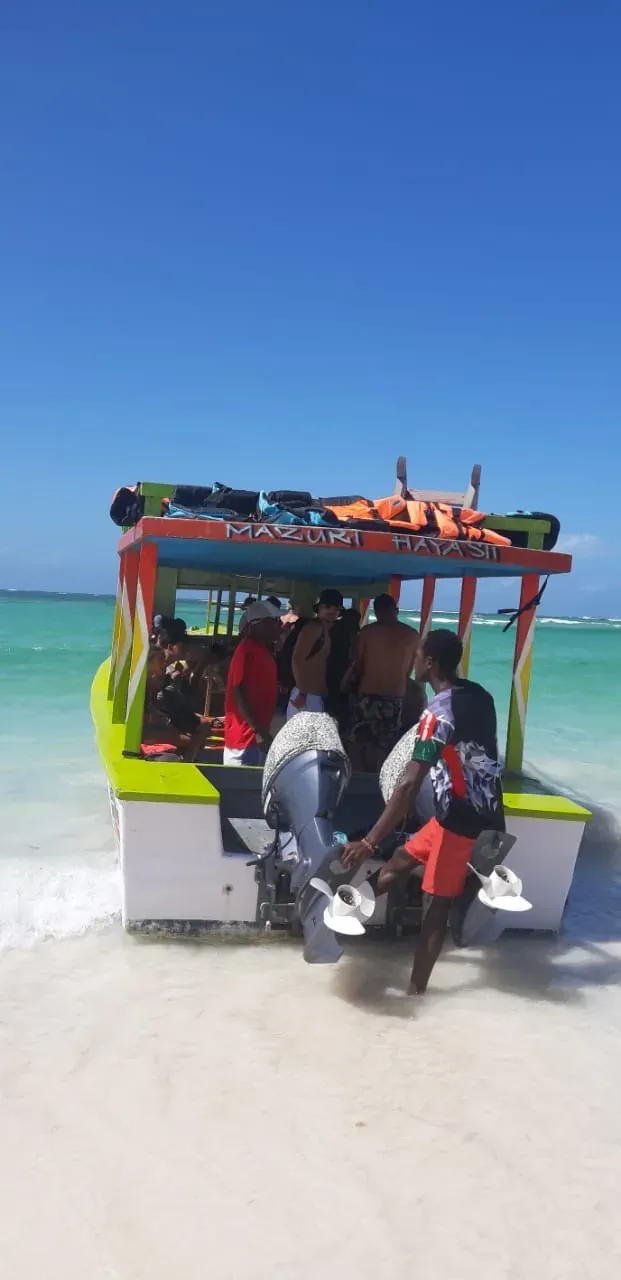
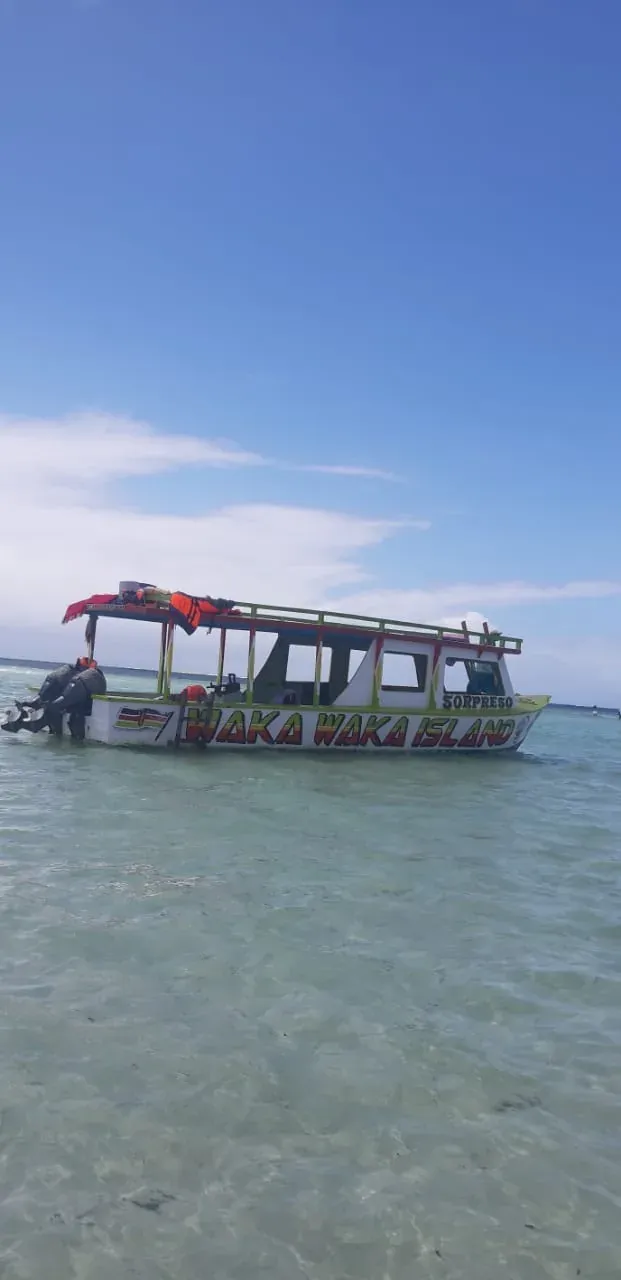
- The marine park: the reef is alive and protected, and with the right tide the snorkelling here is on another level from a swim in front of the hotel.
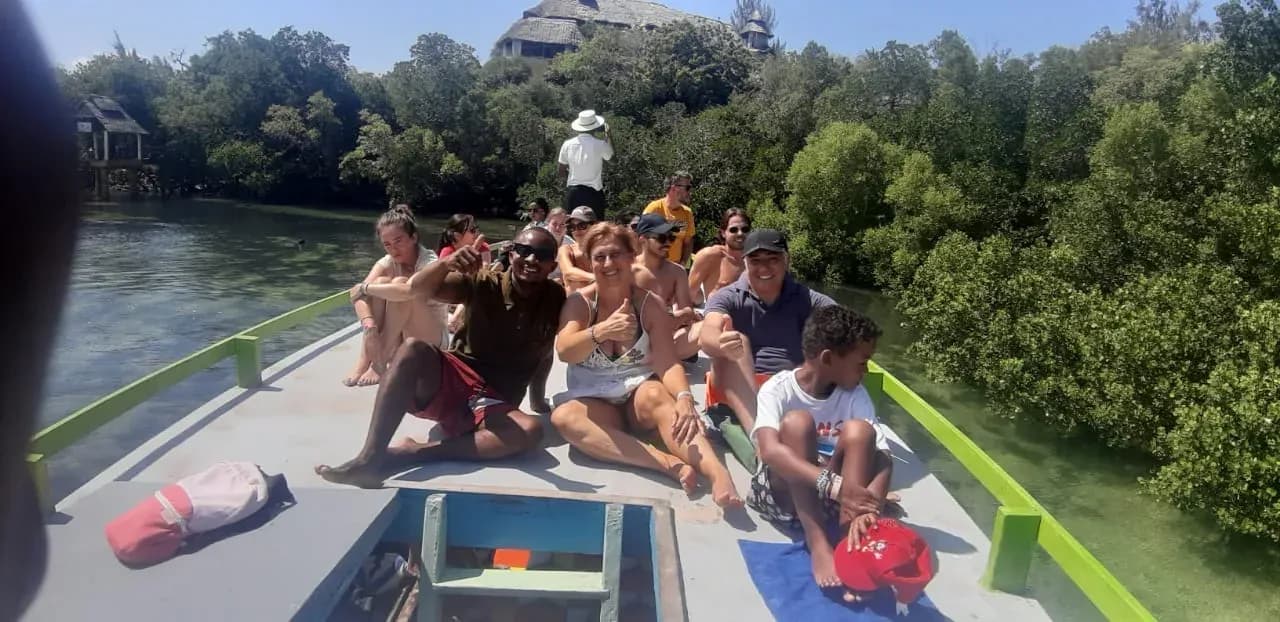
- Mida Creek: an arm of brackish water ringed by mangroves, entered by canoe or by dhow, where the silence is what strikes you most.
- The ruins of Gedi (Gede): a town in coral stone swallowed by the forest, and there is still argument about why it was abandoned.
- The Arabuko-Sokoke forest: one of the last fragments of coastal forest in East Africa, with species that live nowhere else.
The hour counts for more than the place
Here the difference between a trip that works and a mediocre one is almost always the hour. The creek at sunset and the creek at midday are two different places. The forest at dawn has voices you no longer hear at eleven. The marine park with the wrong tide hands you cloudy water and little else.
That is why, when we organise something, the time is not a detail to be agreed at the end: it is usually the first thing I decide, and the rest of the day is built around it.
One thing a day, not three
The temptation, when time is short, is to stack things up: morning at the ruins, quick lunch, afternoon on the boat, sunset at the creek. I have seen it done and it always ends the same way, with the feeling of having crossed four places without having been in any of them.
If you have three days, three things. If you have two, two. The time left over is not wasted time: it is the part where you notice where you are.