The largest coastal forest left in East Africa, a few minutes from Watamu, with species that live almost nowhere else.
Arabuko-Sokoke forest stretches between Malindi, Watamu and Kilifi and is the largest remnant of the coastal forest that once covered this part of East Africa. Nature Kenya describes it as the premier coastal forest of the region.
It is not one single forest: it changes three times within a few kilometres, between mixed woodland, the Brachystegia belt and the Cynometra zone. That is why different species live within a few hundred metres of one another.
Nature and culture
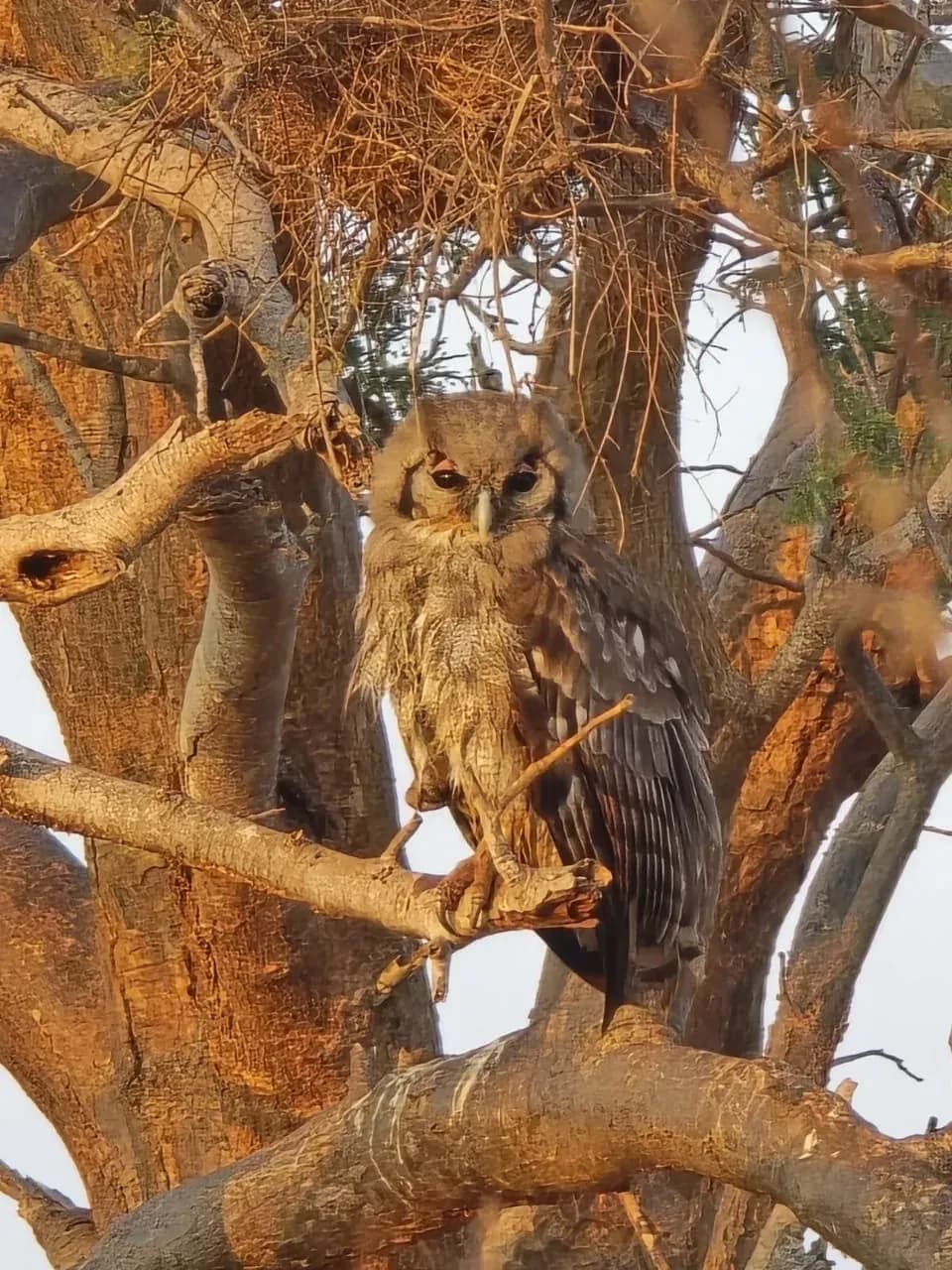
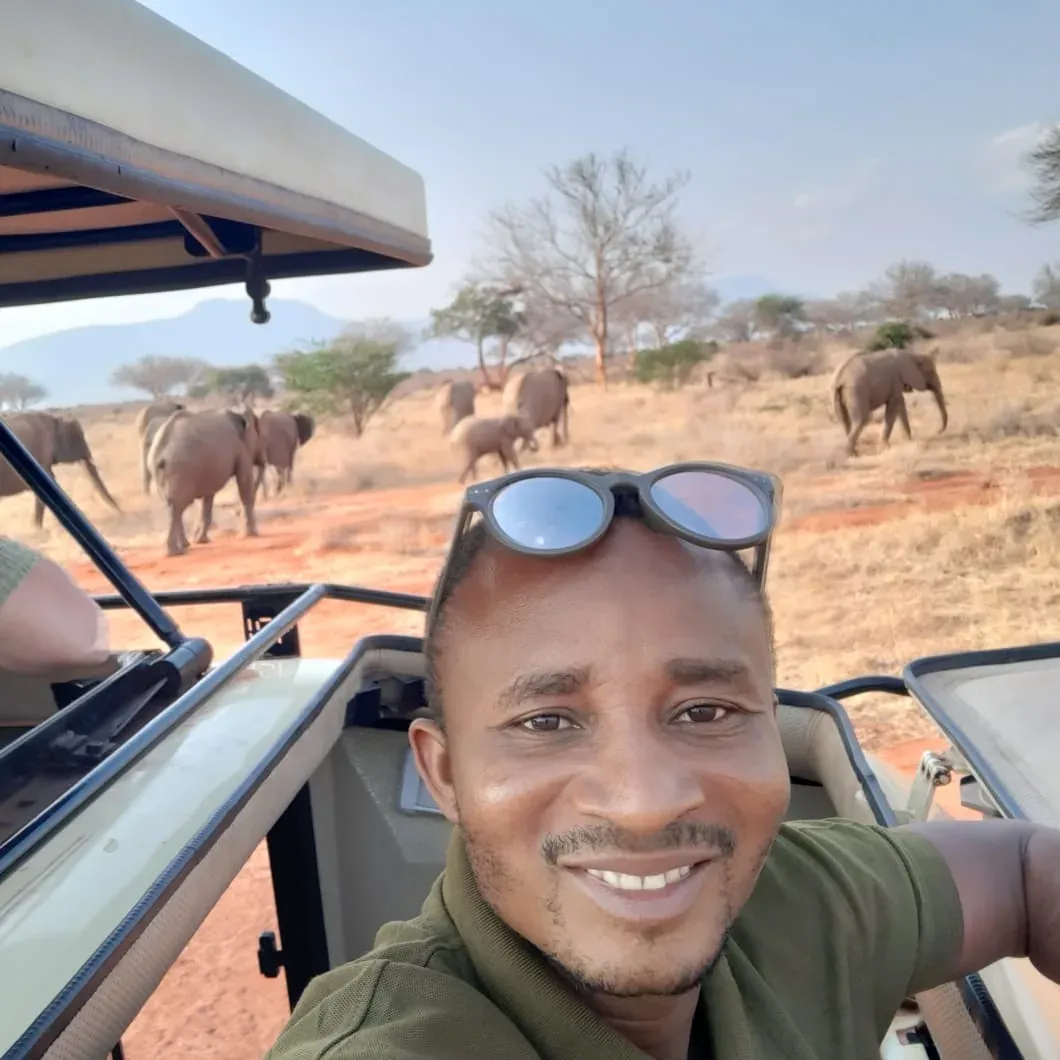
Arabuko-Sokoke is home to species found almost only here or in a few other coastal fragments: the Sokoke scops owl, Clarke's weaver, the Amani sunbird, the Sokoke pipit and the golden-rumped elephant shrew. There are also elephants, buffalo and Ader's duiker, all far harder to see.
The forest is a protected area and is managed with the involvement of the communities around it: the local guide associations, the forest committees and the conservation projects have worked together for years. The walks are done with them.
When to come
It can be visited all year round. For birds the generally most productive months are November to March, with the migrants present; some resident species are easier to observe in narrow seasonal windows, which are not a fixed appointment.
Getting there
The main entrance and the visitor centre are on the Malindi-Mombasa road, near Gede: from Watamu it is a few minutes. The internal tracks are unsurfaced and after rain they need a suitable vehicle.
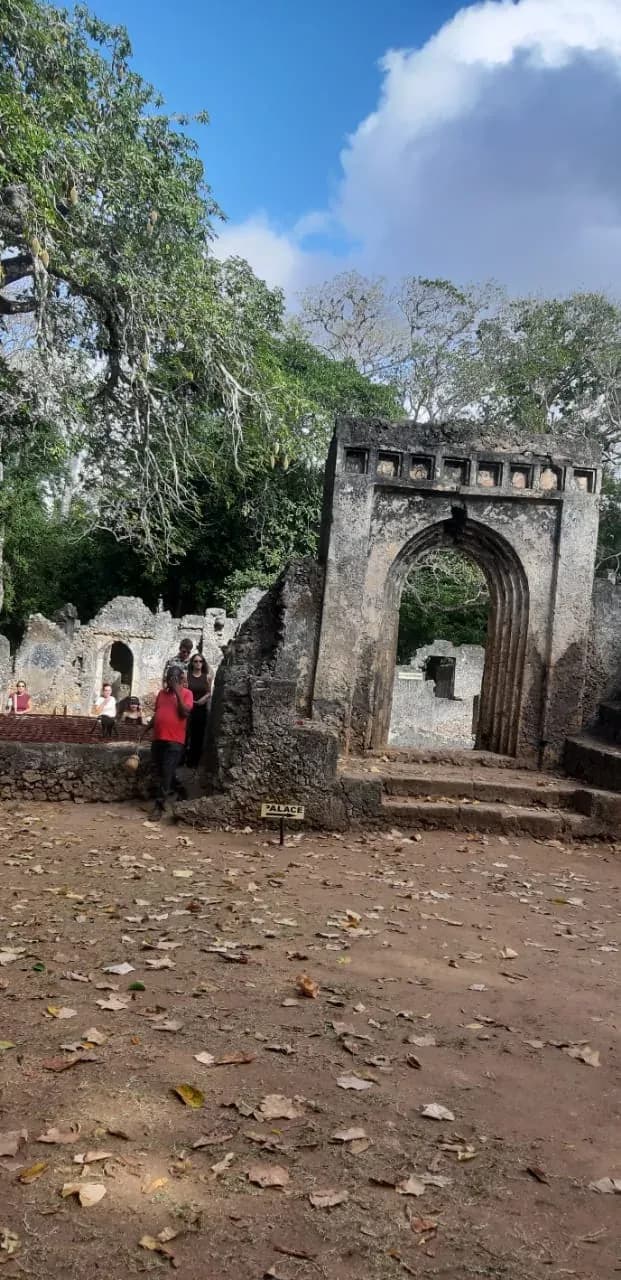
The visit combines well with Gedi (Gede), which is a short distance away on the same road: it is the arrangement I suggest most often to anyone with half a day.
Travel times
The times below are indicative: they change with the entry gate, road surface, traffic and season.
From
Indicative hours
Note
Watamu
0.25–0.5
Indicative time to the main entrance; the internal tracks add time.
Malindi
0.5–0.75
Indicative time on tarmac along the Malindi-Mombasa road.