There is no wrong month, there are different months. Here is what tends to happen, and what nobody can promise you.
Written by John
People often ask me which is the best month. The honest answer is that it depends on what you are coming to do, and that anything I tell you about a month is a tendency, not a calendar. The climate here has never been precise, and in recent years it is less so still.
The year, the way it tends to go
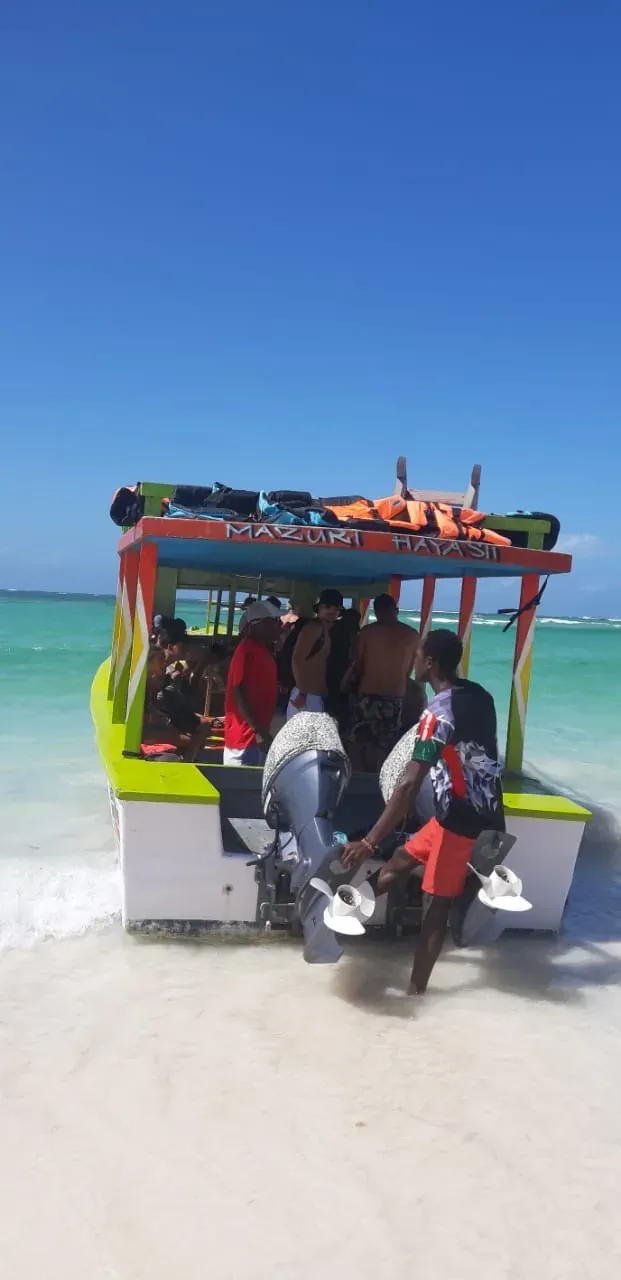
January and February: generally a dry period, with the sea often calmer. It is the window in which, typically, the fewest trips on the water are called off.
March to May: this is the season of the long rains. The landscapes turn a green they are not for the rest of the year, but visibility at sea is variable and some tracks can become awkward.
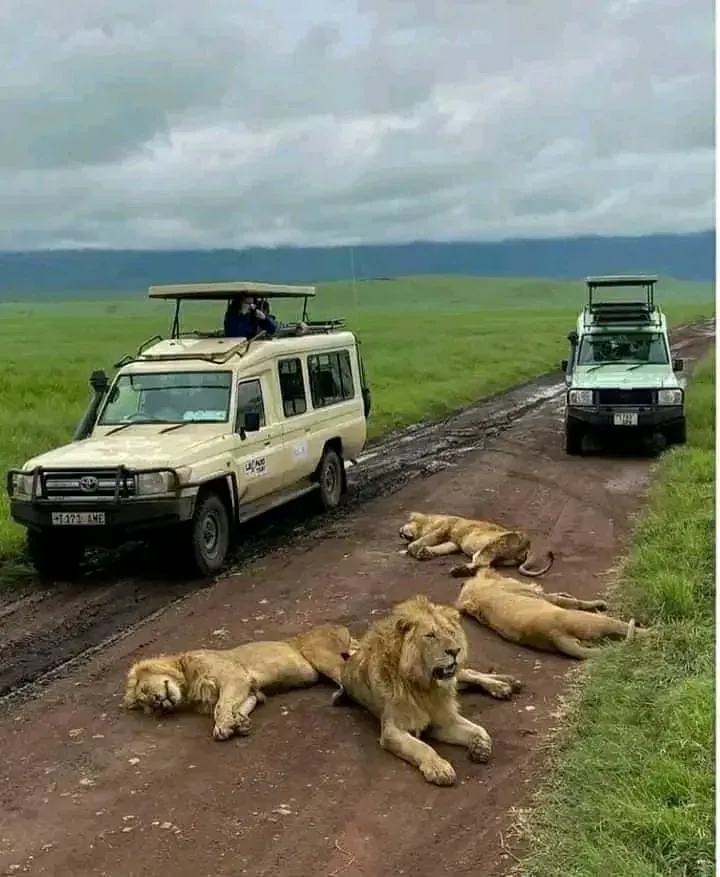
June to October: the strong period for most things. The migration in the Maasai Mara typically concentrates between July and October, and humpback whales along the coast are typically sighted between July and September.
November and December: the short rains arrive, briefer and more concentrated, and the sea tends to improve as the end of the year comes closer.
Why I keep saying “generally”
Because the migration is a movement of free animals, not an event with a timetable. Because the humpbacks pass when they pass. Because a dry season can have a week of rain and a rainy season can hand you clear days. Anyone who sells you a month as a guarantee is selling you something they do not own.
How I would choose, in your place
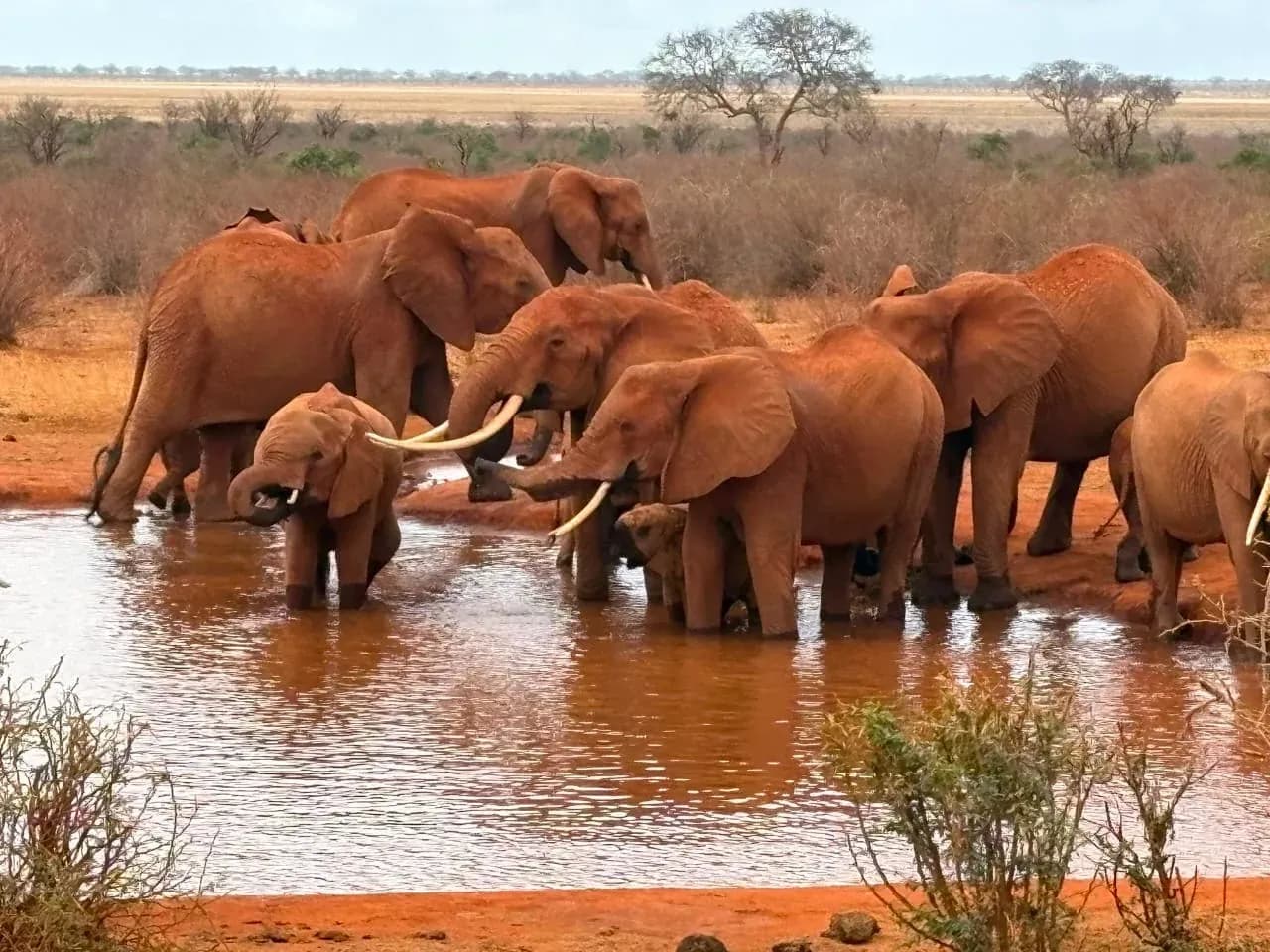
If the sea is the priority, I would look at the windows when the water tends to be clearer and calmer. If the priority is the savannah, I would look at the driest months, when the vegetation is low and the animals gather near water: there are not more animals, they are simply easier to pick out.
If instead the date is already decided by work or by school, we work with that. In every month of the year there is something that works well: what changes is which, not whether.