Volcanic hills, lava flows and springs of remarkably clear water: Tsavo West is more enclosed, greener and more varied than its neighbour to the east.
Tsavo West National Park is managed by the Kenya Wildlife Service and borders Tsavo East along the line of the Mombasa-Nairobi road and railway. It is a more broken park: hills, volcanic cones, recent lava flows and denser vegetation.
Mzima Springs is the best-known spot: springs that bring back to the surface water filtered through the rock of the Chyulu hills, with hippos and fish that can also be watched from a submerged observation chamber. Not far away, the black Shetani lava flow is one of the most photographed formations in the park.
Nature and culture
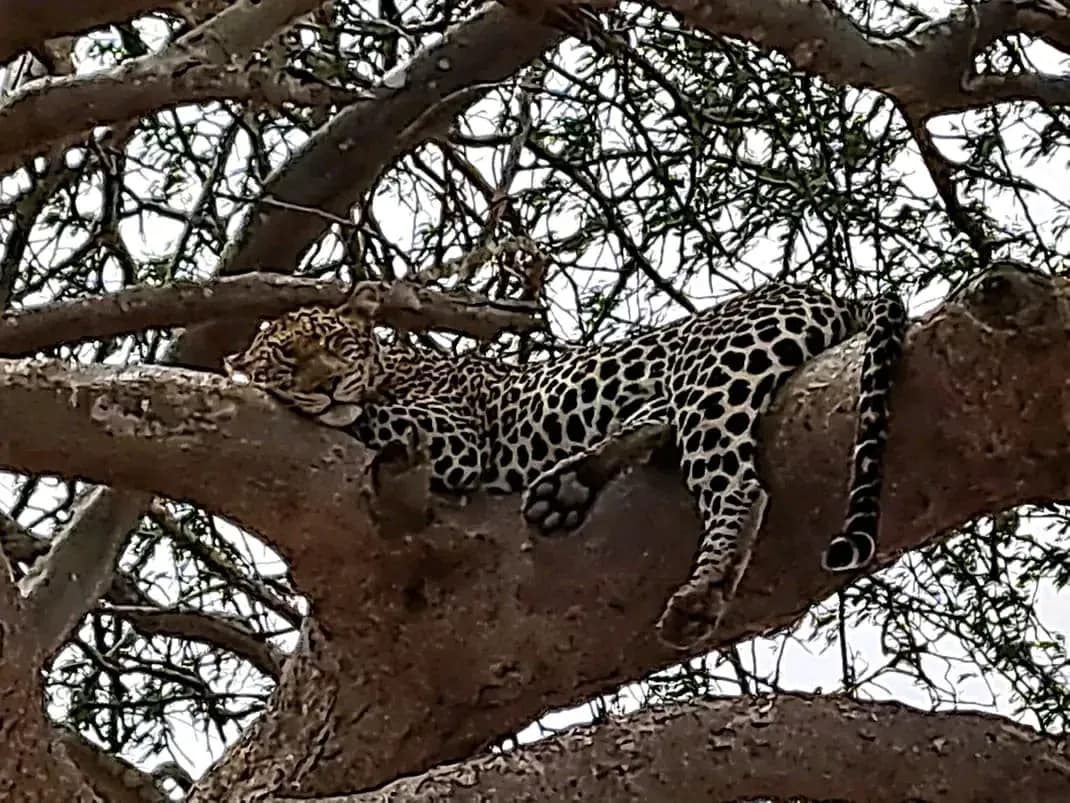
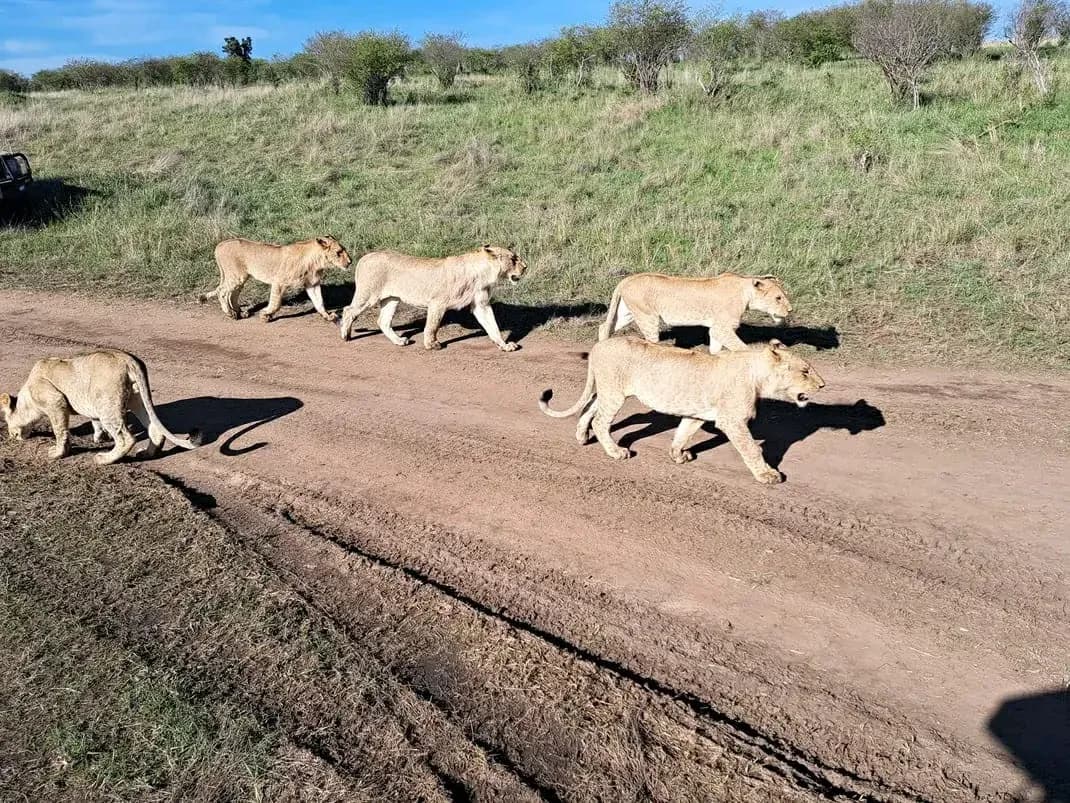
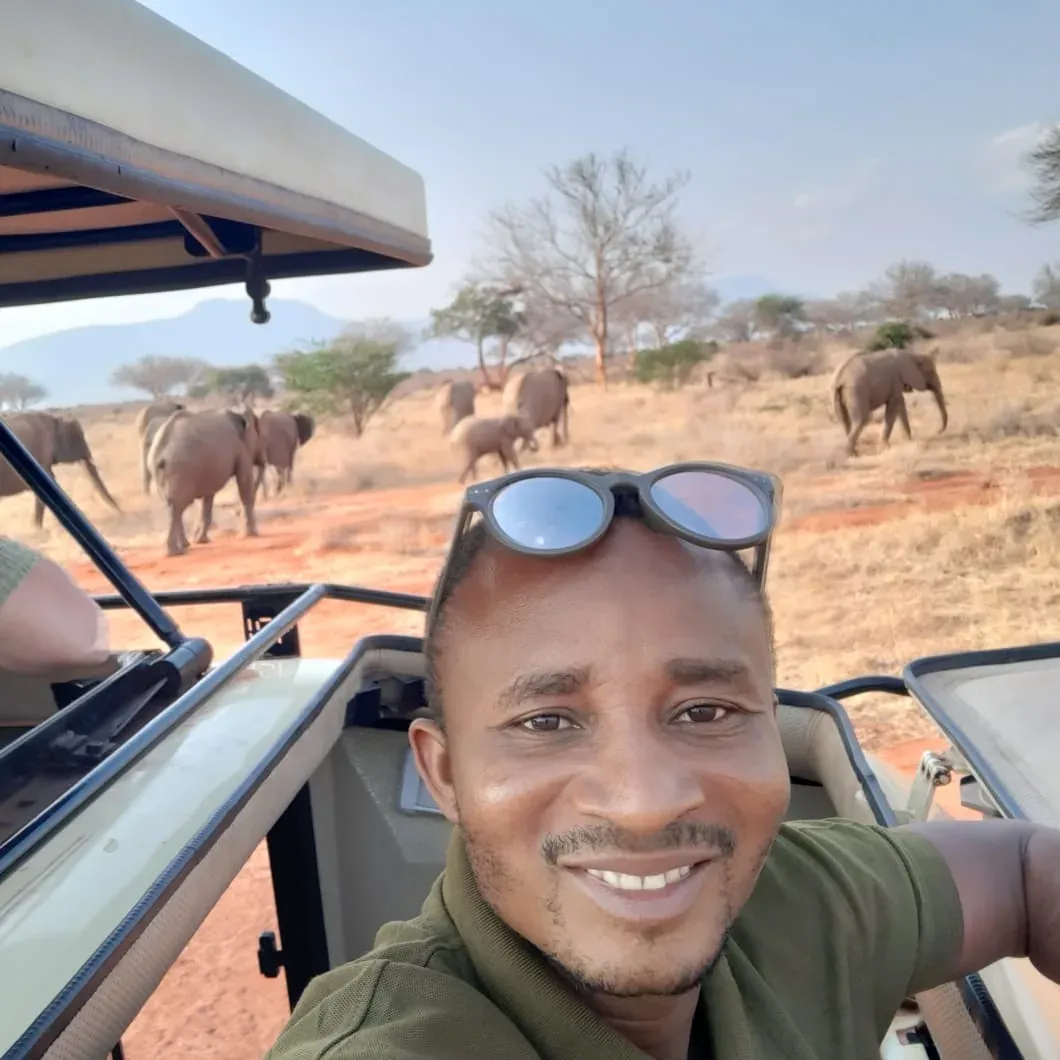
Elephants, buffalo, giraffe, hippos, crocodiles, lesser kudu and — far more rarely — leopards. The park also contains the Ngulia Rhino Sanctuary, a fenced area dedicated to protecting the black rhino: access and visiting conditions follow Kenya Wildlife Service rules. No sighting is guaranteed.
At Ngulia, between November and December, a ringing station for Palaearctic migrants has been running for decades: the night mist brings the birds down along the hillside, and it is one of the longest-running ornithological operations in East Africa.
When to come
As in Tsavo East, the drier months make sightings easier because the animals concentrate near water. After the rains the landscape is green and the hills more photogenic, but the wildlife spreads over a wider area.
Getting there
You normally enter through Mtito Andei or Chyulu gate, on the Mombasa-Nairobi road, or through Tsavo Gate. From the coast, Tsavo West belongs in itineraries of several days, often together with Tsavo East and Amboseli.
Entry fees and regulations are those of the Kenya Wildlife Service and should be checked on the KWS website: they change over time and I do not quote figures.
Travel times
The times below are indicative: they change with the entry gate, road surface, traffic and season.
From
Indicative hours
Note
Watamu
6–8
Indicative one-way time by road: it is tackled within an itinerary of several days.
Malindi
6–8
Indicative time, variable with the gate chosen and with the traffic on the Mombasa-Nairobi road.
Nairobi
4–5
Indicative time by road to the northern gates of the park.